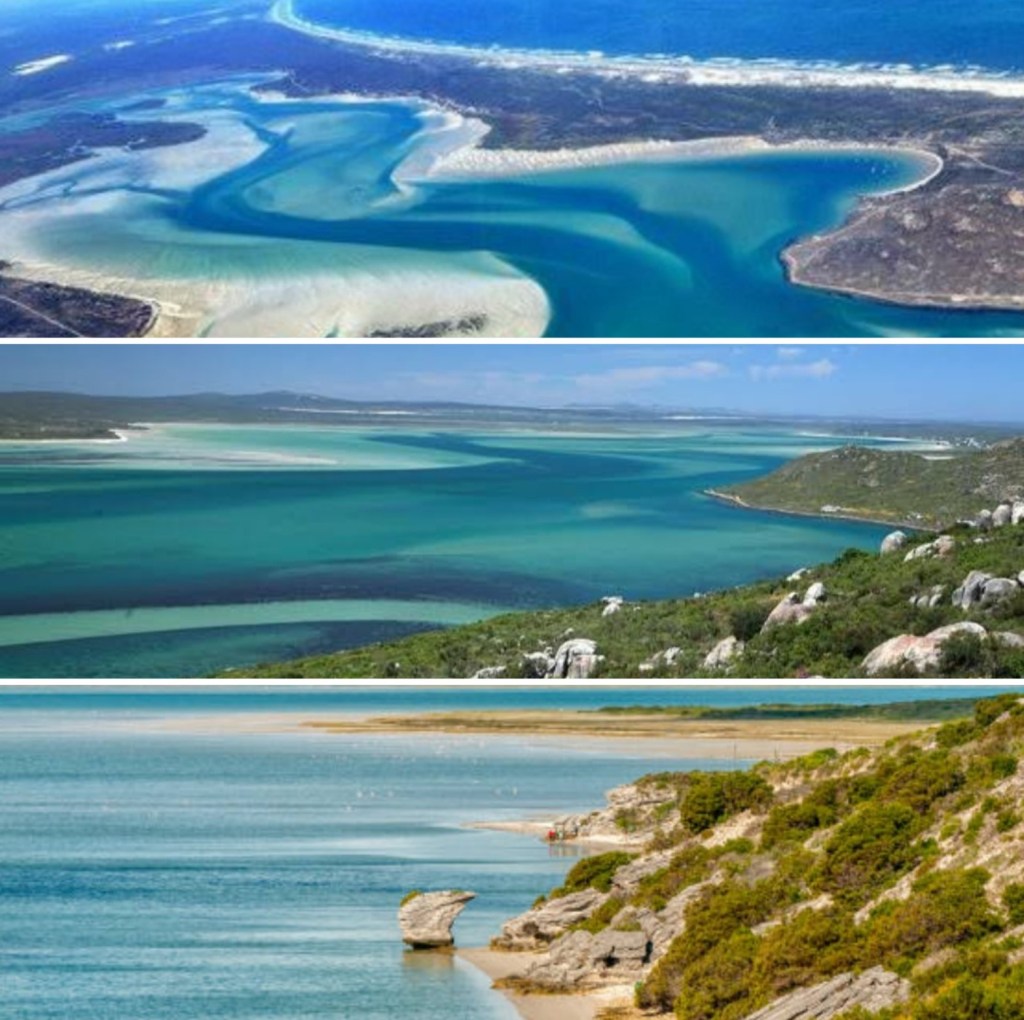
Langebaan Lagoon, West Coast, South Africa
I grew up on the Langebaan Lagoon with its turquoise water, bird islands and Saldanha Bay. This Lagoon on the west coast of South Africa protects migratory birds and nesting areas of endangered seabirds. It also acts as a protected nursery area for many fish species, not even mentioning all the shark and ray species and as many as 400 invertebrate species. The lagoon also includes sand flats, saltmarshes and dwarf shrub land. It stretches from Saldanha Bay, past Langebaan to Geelbek in the South for 17 km and at places it is up to 4 km wide.
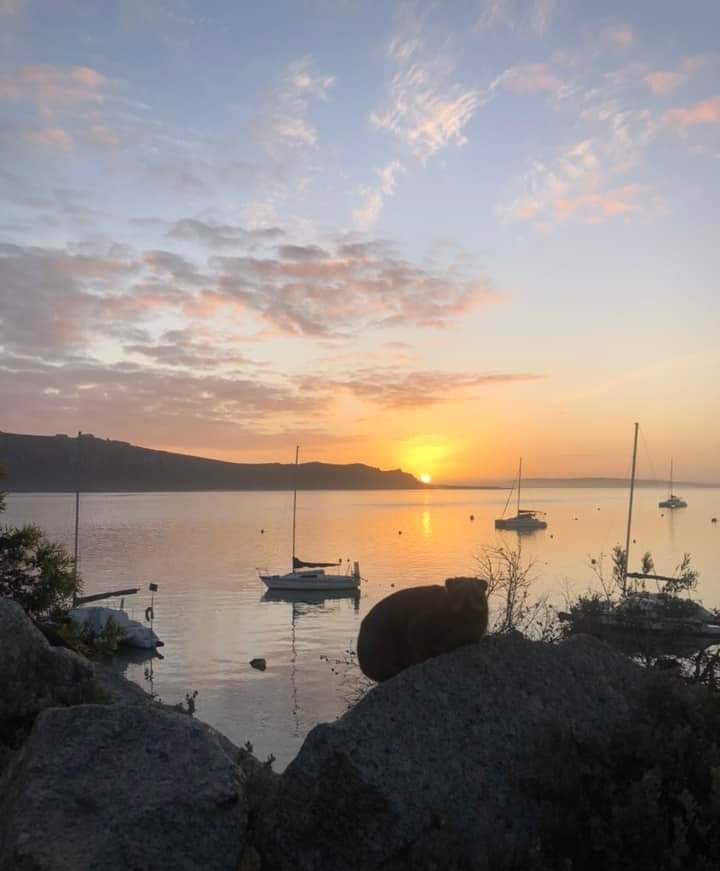
The current contrasts in this area between parts of it declared an Industrial Development Zone while the rest is a sensitive Marine Protected Area under pressure, boggles my mind. It is a reported fact that the Greater Saldanha Bay region has been identified for future socio-economic development activities, at the same time it is recognised that these development opportunities lies within a Sensitive Ecological System. The region is known for its Biodiversity Hotspots supporting critically endangered marine as well as terrestrial species. It is also recognised that the development of infrastructures, human occupation together with industrial development on this coastline already indicates environmental deterioration, pressure and risks that need to be “assessed and managed”.
I recently saw a photo of myself taken in 1973 (6 years old), the year that the Act was promulgated allowing ISCOR to build the Sishen-Saldanha Bay Railway Line, resulting in the current active export harbour for iron ore, lead, copper and manganese. Ironically 1973 is also the year that the Langebaan Lagoon was first proclaimed as a Marine Reserve.
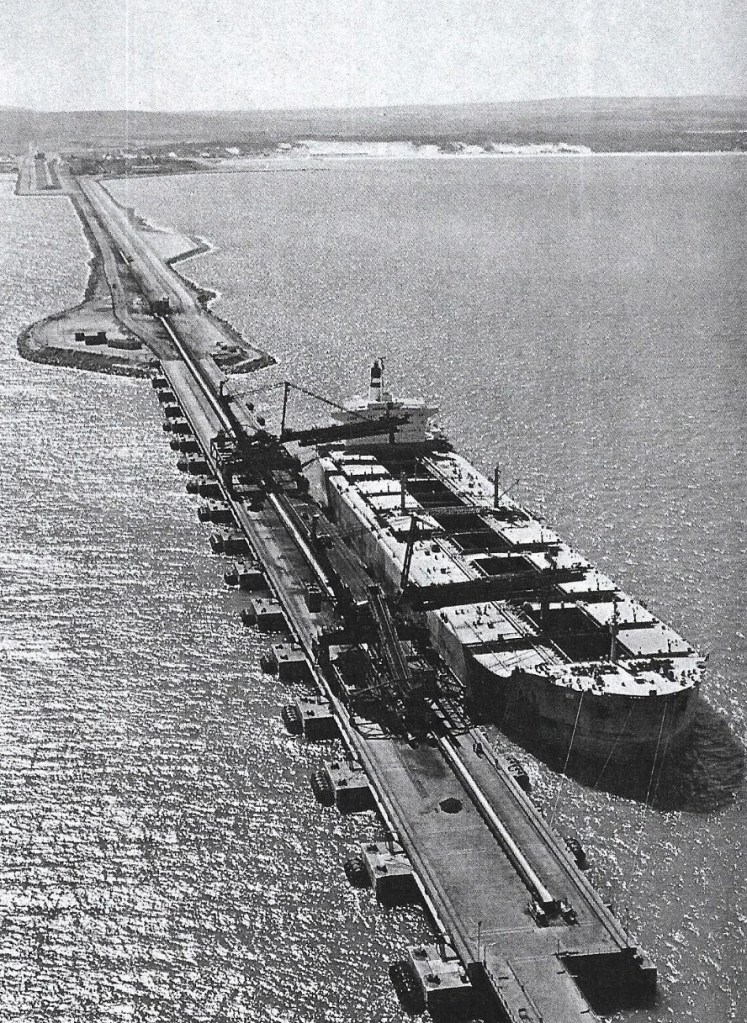
I am revisiting the promulgation of the Sishen-Saldanha Bay Railway Construction Act of 1973 and the arrival of the first loads of iron ore by rail in May 1976. On 27 September 1976 the first Ore Carrier left the then already dredged Industrial Harbour built for this purpose. I am no expert and have not done a thesis on this event, but reading through available material I find it surprising that the environmental objections offered in parliament while debating the bill focussed on the depletion of the mineral resources of South Africa and the environmental impact the railway line would have on the farmland and agriculture. It seems that the location of the Industrial Harbour in Saldanha Bay was not debatable. The environmental sensitivity of the area was well-known as its Marine Reserve status at the same time indicates. It begs the question: “Why?”
The traffic of the Ore Carriers coming to collect their loads necessitate the continuous dredging of the ocean floor, allowing them access to the harbour on the one end of the lagoon. The collective effect of this tragedy and other development on the Lagoon is extensive, as mentioned and predicted by my family and other locals at the time, when Langebaan was just a small fishing village.
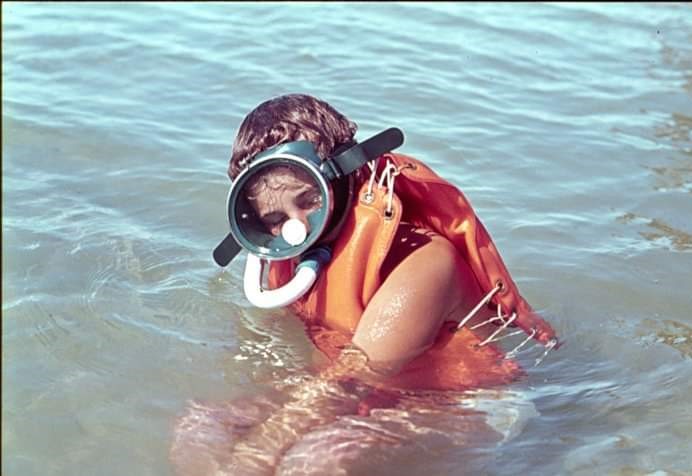
I was a little girl, not swimming yet, but in a life jacket with a mask and snorkle, exploring what was living on the sea bed of my lagoon. The period between 1973 and 1976 was traumatic as we expected extensive damage to the Marine life and now – 50 years later I am reading the reports confirming the effects of which the risks need to be “managed and minimized” while being reported on in the environmental impact reports of applications for further development in this most sensitive area.
A report written in 2021 states: “To date environmental impact studies have been localised and the entire Saldanha Bay and Langebaan Lagoon ecological system has not been considered holistically.” The promulgation of the National Environmental Management Act 107 of 1998 is a step by Government to provide legal guidance in the management of environmentally sensitive areas, but there is a long way to go before we’ll see the urgently needed impact of this Act. In the interim we witness further destruction, possibly irreversible.
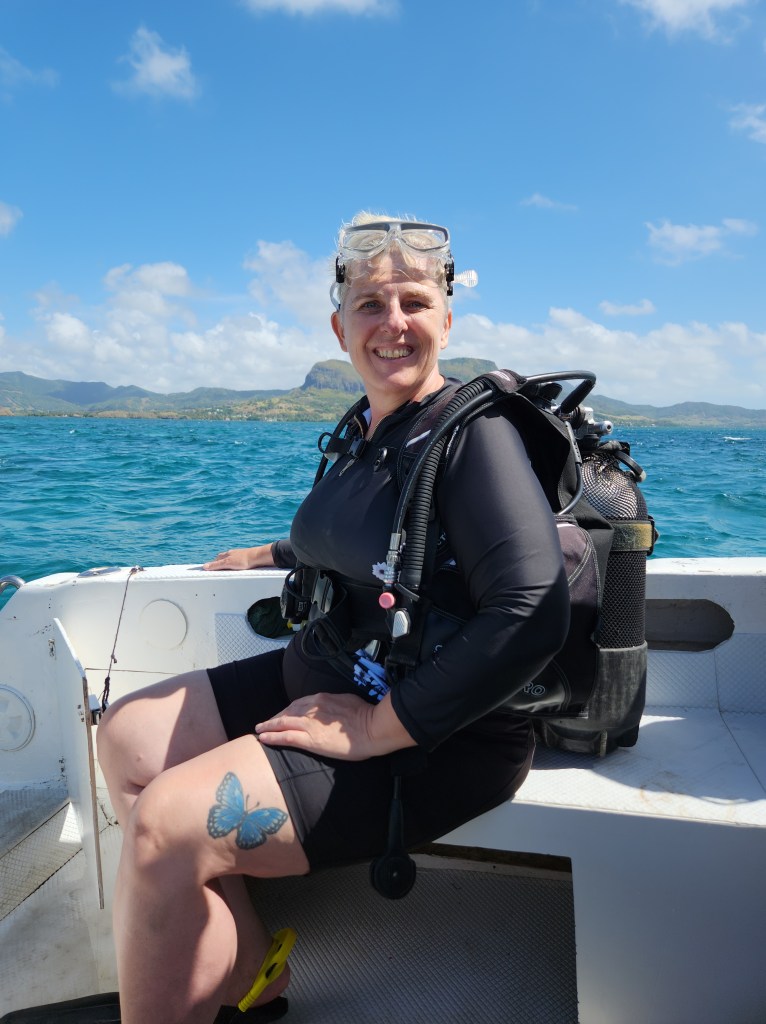
This week, a year ago, I did my SSI Open Water Diver Training. It has taken me 50 years to get back under the sea and to study marine eco-systems and to start looking beyond the obvious. I am trying to contribute more than words to marine conservation. Finding this photo of myself as a little sea lover, made me realise that my emotions about the dreaded development in the Langebaan Lagoon then, was as strong as my passion for saving the sea is now. My life has come full circle. I am exactly where I should be right now. Looking beyond …
by
Lynette Gerber-Lochenkov
 Walk my Talk
Leave a comment