While I’m still landlocked I have been inspired by two phrases that my reading and time on social media has brought to my attention. There are many committed individuals and organisations who are working passionately and often without financial gain, to fight one battle at a time in the War to save the Sea. It is a fact that the survival of humanity is directly linked to having a healthy ocean There are scientists who say that the ocean is fast approaching an ecological tipping point. At the risk of telling you what you know: the Ocean is vital for climate control and several other life supporting functions. Although some initiatives have been around for a while, bear in mind that I’m fairly new to the Marine Conservation arena and I am only discovering them now. Here are two powerful phrases which everybody should know.
Rewilding the Sea
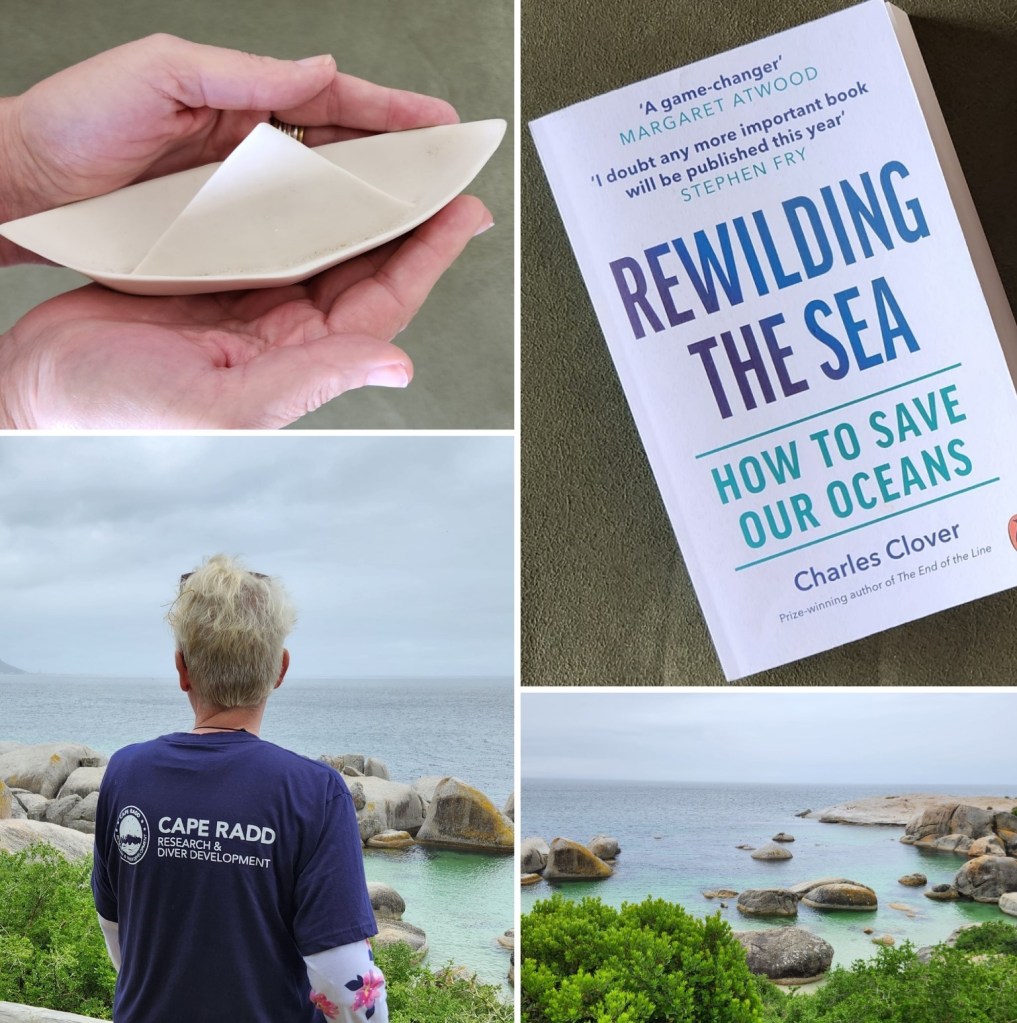
The sea is in our hands.
“We need to save the oceans to save our own life-support system” – Charles Clover
I want to introduce you to Charles Clover, campaigner, journalist, co-founder of Blue Marine Foundation (a Marine Conservation Charity) and prize winning author of the recently published “Rewilding the Sea – How to save our oceans.”
The book is an optimistic and informative read, so I don’t want to spoil it for you, save to say the following. Charles Clover makes the point that “lost” species and ecosystems can be brought back and restored, by allowing the ocean to heal itself (Rewilding). This can happen through creating protected areas and by insisting on better management of fish populations and other marine creatures.
“Rewilding is any effort by anyone to improve the health of the oceans by actively restoring their habitats and species or by leaving them alone to recover.” – Charles Clover
Hope Spots
Information I am sharing contains facts obtained from the Mission Blue website and National Geographic articles.
I want to introduce you to Dr Sylvia Earle, oceanographer, SCUBA diver and research scientist. She is the founder of Mission Blue, a non-profit organisation dedicated to protecting the ocean from threats such as climate change, pollution, habitat destruction, invasive species and decreased ocean fish stocks. Mission Blue has had triumphant global impact through global coalitions and collaborating with International Corporate Partners as well as Foundations and NGO’s.
“Hope Spots are marine protected areas intended to restore the blue heart of the planet” – Dr Sylvia Earle
Dr Earle coined the phrase “Hope Spots”. These are ecologically unique areas of the ocean that are designated for protection, over and above existing recognised Marine Protected Areas (MPA’s). The most recently launched Hope Spot is St Helena Island on 13/11/2023! How does an area become a Hope Spot?
You can nominate a site that you feel needs protection because of any of the following reasons. The site contains a special diversity of species, habitats or ecosystems. There may be rare or threated indigenous species. An area that suffered damage from human impact but have the potential to reverse the damage will also qualify as a possible site. If the area have migration corridors or spawning grounds it also qualifies for protection. A site may have significant historical, cultural or spiritual value or be of particular economic importance to the community. We can become involved in identifying and nominating Hope Spots!
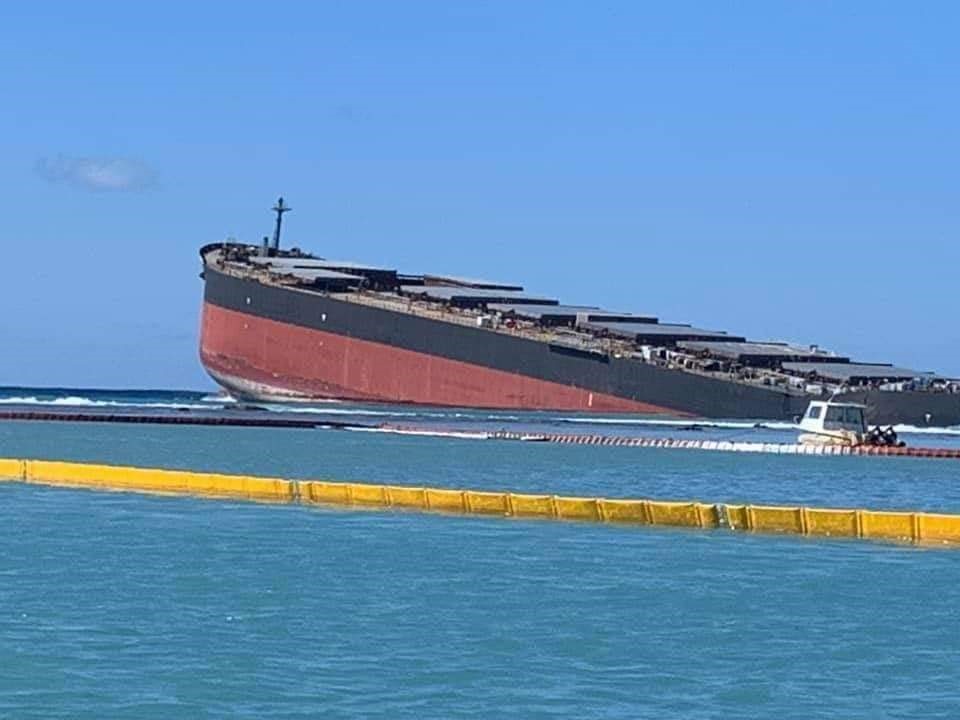
“If you like to breathe you better like the ocean!” –Dr Sylvia Earle
Policy makers will be unable to ignore the community involvement in the creation of Hope Spots and their support for Ocean Conservation. Hope Spots look beyond the current Marine Protected Areas (MPA’s) and try to push closer to the ambition of the United Nation’s Sustainable Development Goal of having 30% of the global ocean protected by 2030.
“We all depend on the ocean” – Dr Sylvia Earle
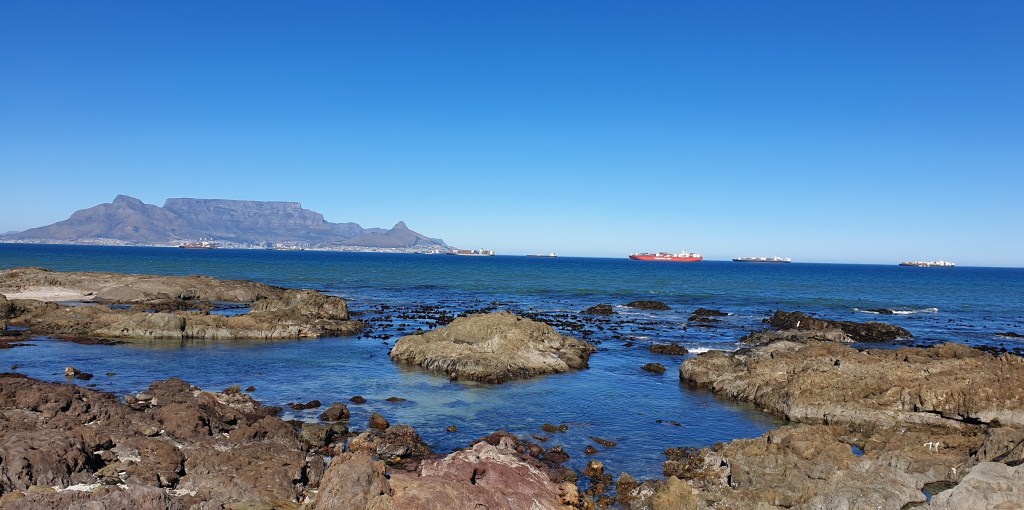
As the ocean is in common ownership we can’t think about marine protection in the same way that we think of environmental protection on land. As a result making decisions about saving the sea needs global collaboration and governments need to respond in a positive and collective way to the call for sustainable ocean management. This is where organisations like Mission Blue and its collaborators and all other Keepers of the Sea, together with local communities, you and I, become powerful. Politicians and policy makers cannot ignore us if we stand together in this call for a healthy ocean and sustainable future.
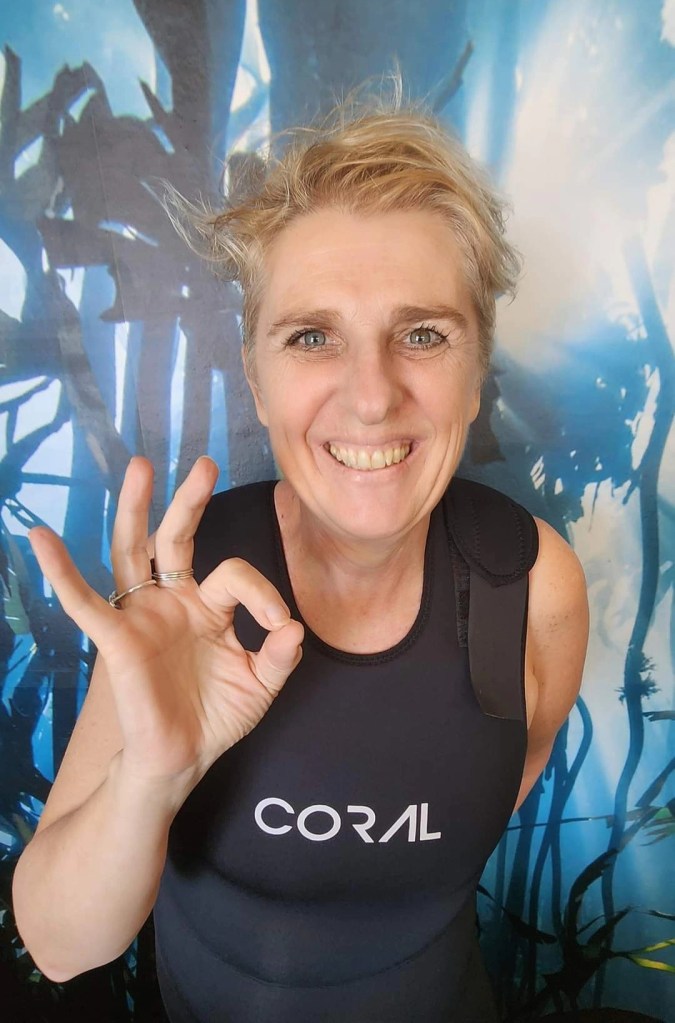
By Lynette Gerber-Lochenkov
 Walk my Talk
Leave a comment