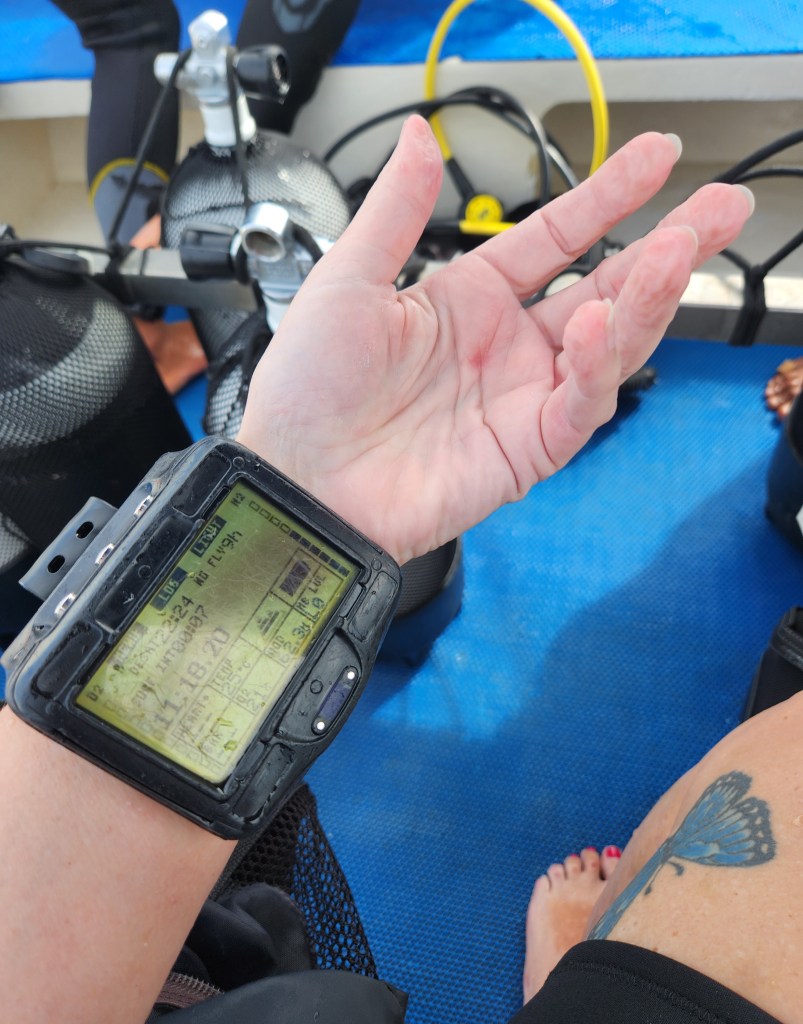
In Scuba Diving you learn of the dangers of ascending / surfacing too fast. You learn about slow controlled ascents and emergency ascents.
But I’m not talking about surfacing! I did that when I came back home after my long dive stay in Mauritius. I want to tell you about going down, descending to the sea bed as fast as possible. An Emergency Descent! Technically there’s no such thing in SCUBA diving, as in recreational and even commercial diving you can only descend as fast as your body can equalise to the increasing pressure at depth. So what am I talking about?
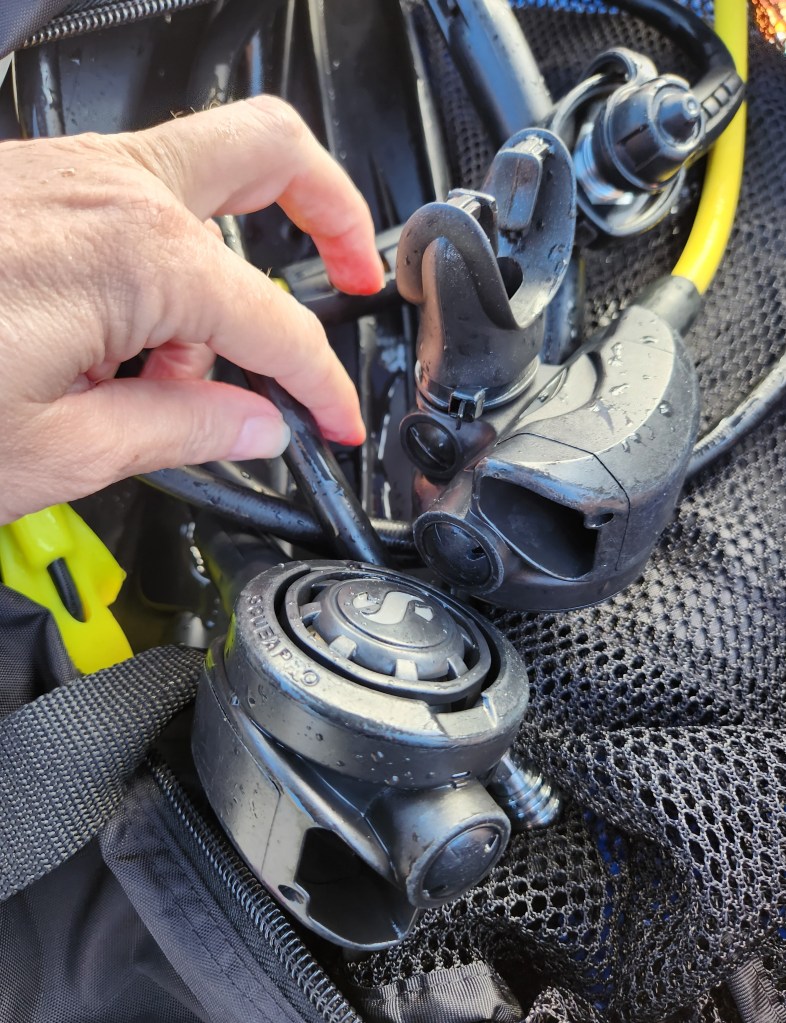
The surface was harsh on my return. I had to descend to the sea bed as quickly as possible, to save myself from jumping on the next plane back to Mauritius. Not being next to the sea, I made contact with my nearest SSI dive centre, Impact Divers. In moments I was registered for the SSI Marine Ecology Speciality Course and could dive head first, making an emergency descent, into these ecosystems that I thought I knew something about.
I was dragged right into the places where the primary producers live and met Phytoplankton and Macroalgae, the base of the food web for most marine ecosystems. Yes, this is where life in the sea starts! Even Sea grass, like these guys, have the ability to turn sunlight into chemical energy stored as sugars, fats or proteins in organic molecules.
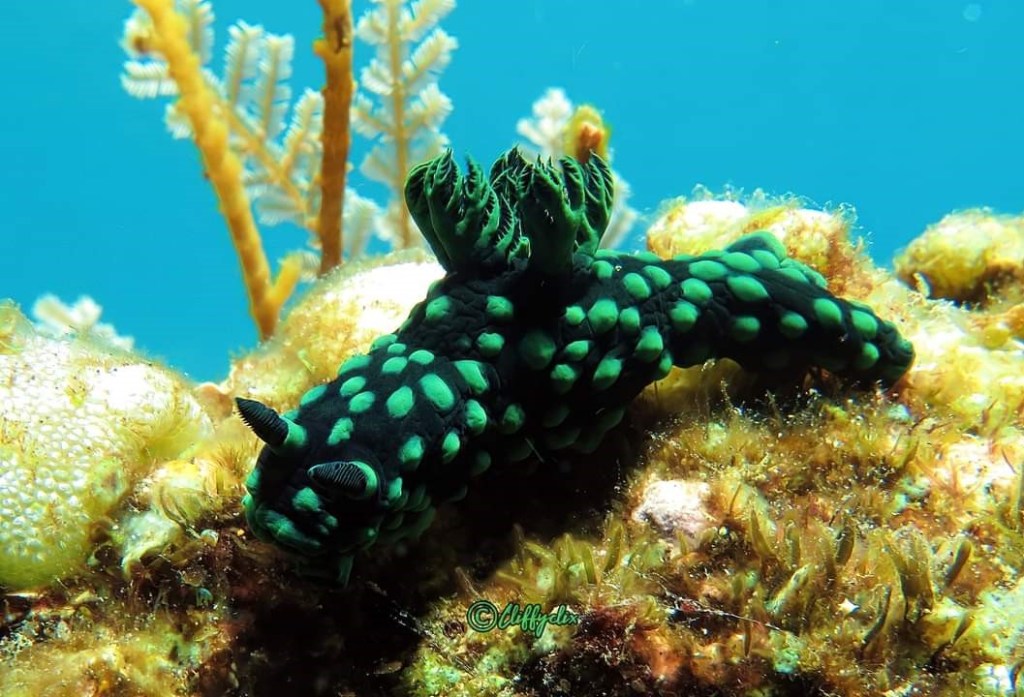
As I worked through the material I realised that I knew almost nothing. Science not being my language, I progressed slowly, but went deeper than I have ever been, exploring unknown territory. I learnt facts that gives the word mind-blowing a whole new meaning.
It is impossible to touch on everything I learnt, but I cannot continue without mentioning how I was struck by the linkages between the various ecosystems and realising how the wellbeing of the one impacts the others. How insignificant a primary producer like a macroalgae may seem, but how vital they are for the survival of the primary consumers (zooplankton/invertebrates and other herbivores). The trophic levels (food levels) are completely dependent on the health of the previous level. So the secondary consumers would feed on the aforementioned and the tertiary on the previously mentioned and so on until we reach the top predators.
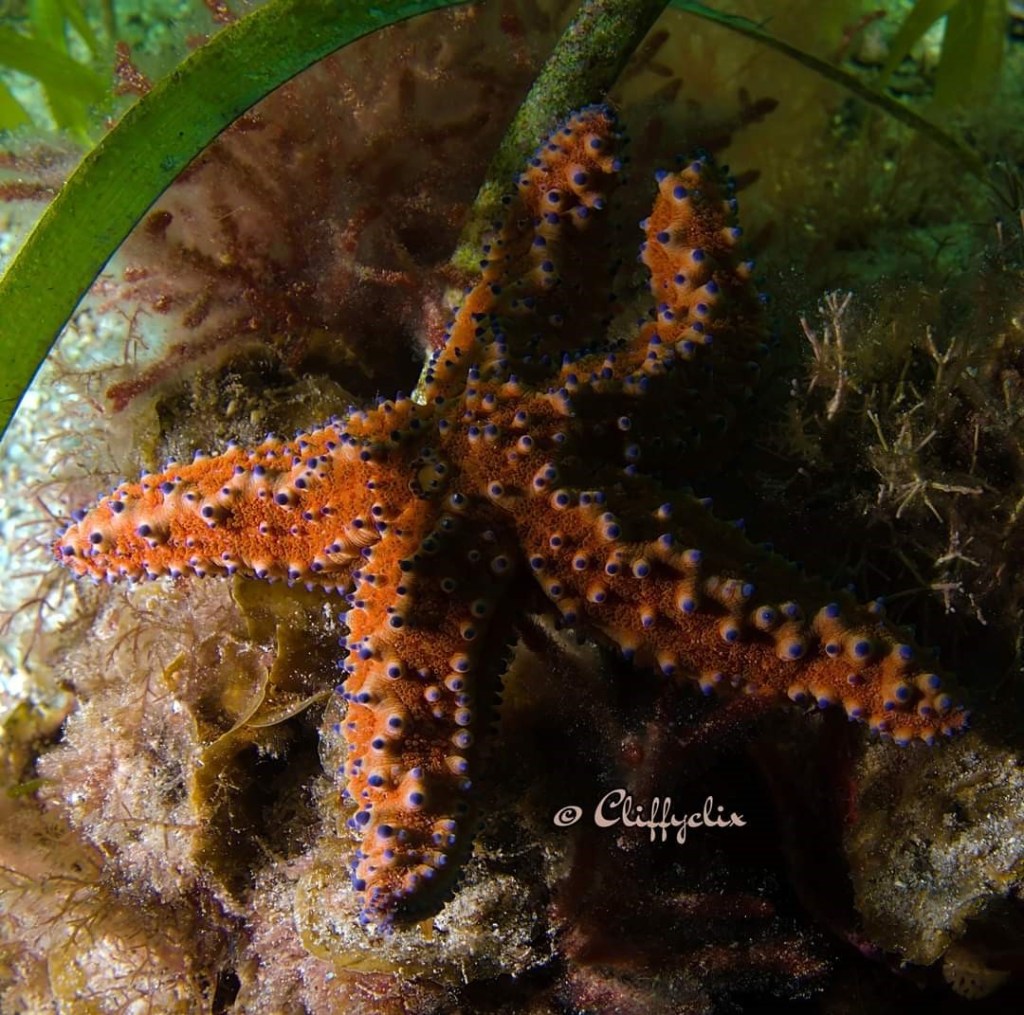
I am mentioning this as I want to get to plastic and other pollutants. I thought I knew of the impact of plastic and such. I was deeply shocked by what I studied, so much so that I had to take a break, an emotional day, halfway through! Try to understand this: Plastic never biodegrades. It breaks into smaller pieces over time that absorb toxins.
These toxins enter the ocean as runoff from our rivers etc. Just try and imagine all the chemicals in the pharmaceutical, agricultural, urban, industrial industries, sewage, fertilisers, oil, gasses and I am sure you can think of more origins, entering the sea and being absorbed by plastic pieces. These are accidently consumed by marine organisms and as an organism is consumed by its predator in the next food level (trophic level) the build-up of toxins accumulate (bioaccumulation). Carcasses of top predators, like dolphins, have been found with toxic levels equal to toxic waste!
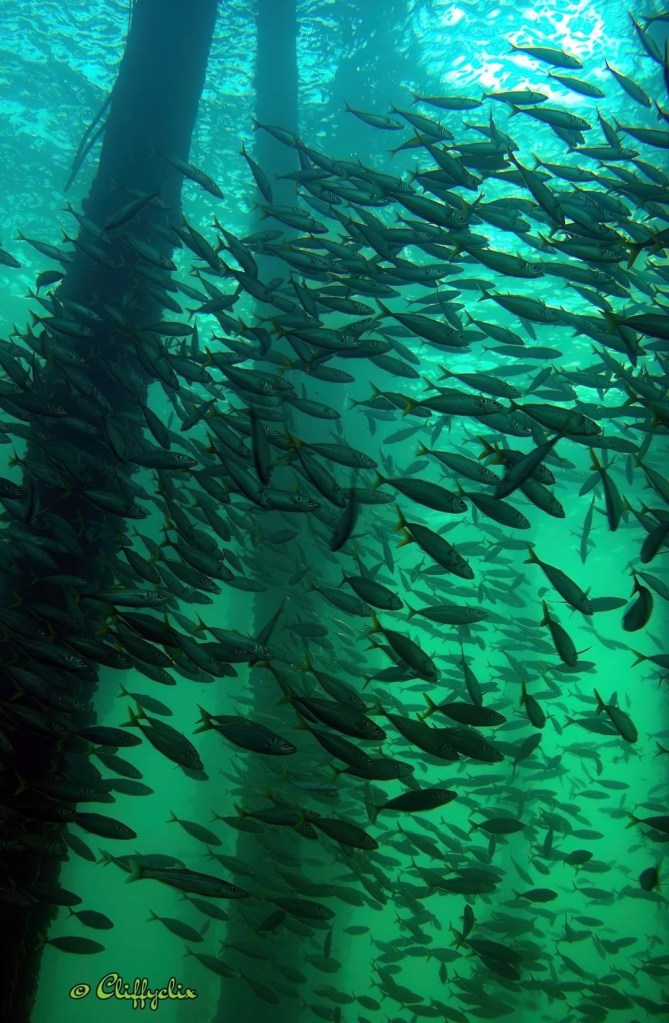
I am not even mentioning the individual effects of the various toxins and pollutants on marine life. The above fact alone should make it clear enough that we shall very soon have toxic marine life. The effect on the sustainability of life as we know it, you can imagine. I will still write about this in a future blog.
Yes, you and I can stop to buy and use plastic and we can look for and consume sustainability harvested food. We can become aware of the chemicals we personally put in a system that will run off into the sea. Will that be enough?
I am a marine conservationist by heart, but I currently live in an agricultural valley where my water is limited to rivers and irrigation dams. I can only help my marine ecosystems by trying to clean the rivers. Here they all run into a wide river that runs off into the Indian Ocean. The ocean where my beloved island and many others find themselves.
I have to take action!
By Lynette Gerber-Lochenkov
A special thanks to photographer Clifficlix for allowing me to use his photographs. Copyright / Credit belongs to him.
 Walk my Talk
Leave a comment