Where it matters most.
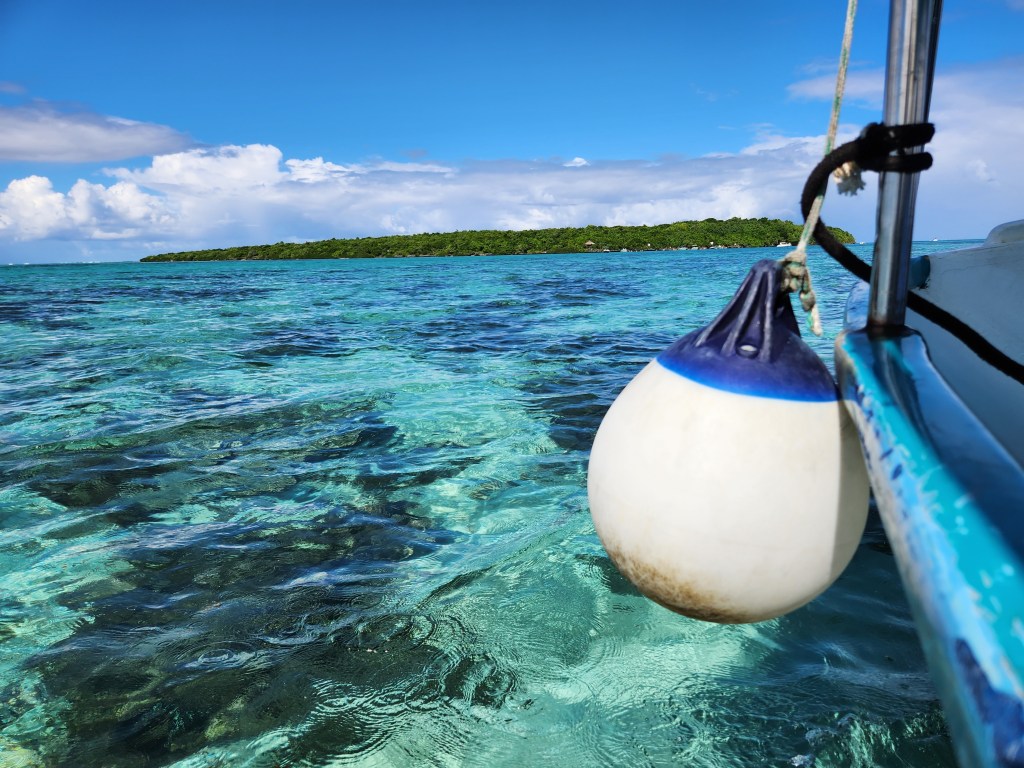
Restoring coral is not only a hot topic internationally, but also what brought me to this bay with its water in so many shades of blue. The healthy ecosystems that can still be viewed on some of these reefs and my exposure to the miracles of creation, in the tiniest forms of life living on them, has me mesmerised. These tiny critters being the primary consumers of plankton are as such, the beginning of the marine food chain. This has me convinced of the fact that Coral Reefs are where it all starts! They impact so greatly on our marine ecosystem as a whole that there is absolute consensus of the importance of Coral Conservation.
Coral Restoration and Conservation has become buzz words in the media. We’re told that corals are successfully transplanted either directly or after a coral gardening-nursery phase, where they are cared for and prepared for transplantation. Coral reefs host more than 25% of all marine life and are crucial to the survival of the ocean as we know it. Not only for food and the livelihoods dependant on fishing and eco-tourism, but also for the roles it plays in oxygen production, protecting vulnerable coastlines, regulating climate and the earth’s water cycle.
However much we hear about the threats of global warming, plastic pollution and run-off pollution, as great a threat to the healthy survival of the ocean and our Coral reefs is ignorance! The ignorance of humanity as to how our lifestyles impact on these vulnerable and very fragile ecosystems, has millions of people relying on the ocean for the mentioned benefits, while they are daily involved in activities ensuring its destruction. I am particularly discussing corals as they are my passionate focus right now.
So what are we doing? Nations have much publicised international talks, create committees, do research and make recommendations, debate strategies, set targets, word policies and sign agreements. Then funds are made available under the administration of Government Budgets, Trusts, Company Carbon Footprint Reduction Initiatives, Grants, Global Funds, Conservation Foundations, NGO’s and such. So we should be seeing change, right?
I am no expert and my exposure to Coral Conservation has been very limited. But I am looking around and noticing how funds are flowing into careers within newly created educational infrastructures. Social media is exploding with images of speakers telling audiences about the problem, money is spent on creating visibility for these conservation organisations, teaching tools are researched and Apps created. Ambassadors are pictured shaking hands in agreements or gratitude for donations to save local ecosystems. I realise that ignorance should be addressed as it is a real threat, but I remember an expression, “green washing” and I have to wonder how much money is spent on “green washing” instead of actual conservation.
I also notice on the internet how vast numbers of volunteers transplant hundreds of corals in single events. I hear of the creation of coral nurseries to provide viable coral for transplantation. I see photos of small but healthy nurseries maintained by “Keepers of the Sea”, individuals or small groups who know the effort and commitment it takes to care for these nurseries.
Then I dive on a coral reef and I witness the damage of anchors dropped on coral (only one of its threats), ripping out decades of growth. Fishing, Eco-tourism, private boat owners, general operators, Hotel groups – I am not laying the blame at anyone’s feet, because we are all to blame, when there are practical solutions that can be implemented very quickly and there are serious individuals out there who are true “Keepers of the Sea“, and whose lives give witness to that, but who stand alone in a war against red tape, government officials and regulations and much more, to get permission and funding to launch these solutions.
I have also witnessed coral nurseries that are regulated, officially recognised and curated by sponsored companies, which look uncared for and unhealthy. That makes me wonder about all those hugely publicised interventions and what the actual outcomes are a couple of months or years down the line.
The big idea is to educate and involve local communities to look after their own precious ecosystems and ensure sustainable livelihoods for them and their children. But the problem is much bigger and complex than educating a local fishing village in coral conservation and paying a couple of needy housewives or old fishermen to clean and care for a fragile coral nursery for a couple of hours a month. The buzz words I am hearing are: education, awareness, training capacity building, research, sustainable partnerships and more. Are we fooling ourselves?
Should the funding, which there seems to be ample of, not be focussed on creating trained, permanent and paid positions for coral nursery and coral transplantation workers within the municipal structures that already exist in these vulnerable areas. Employees who are committed and eager to create sustainable coral nurseries and run successful transplantation projects under the supervision of science and research teams.
The establishment of such employment opportunities would be all the awareness creation needed to motivate a community to want to be part of the solution, part of the team that is investing its daily effort into the future of the coral reefs, the sea, sustainable fishing, the tourism industry of the area and the future of its children. These would be employment positions that become the career dreams of our youth and their families. If we can deal with human waste and recycling in this way, why not Coral Conservation as well?
Too much time is spent on talking, while the impact on Coral Reefs, where it matters most, is not enough. Time is running out.
By Lynette Gerber-Lochenkov
 Walk my Talk
Leave a comment